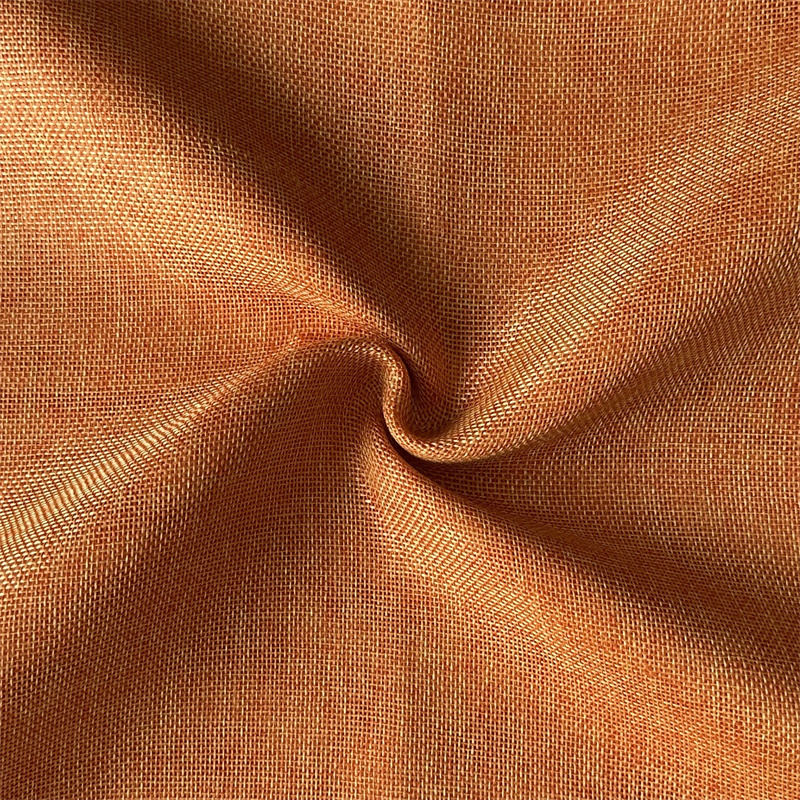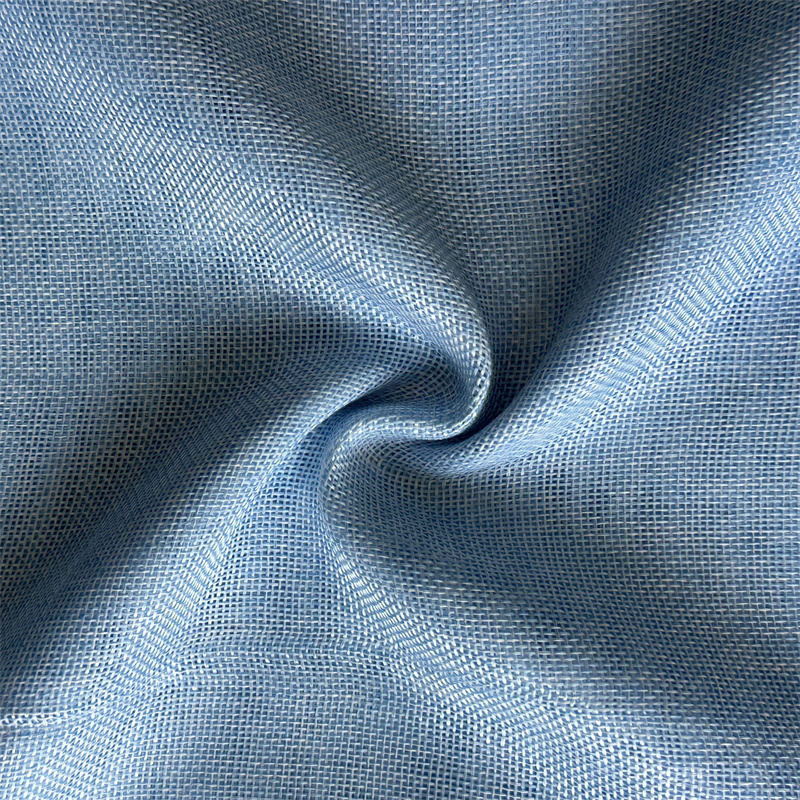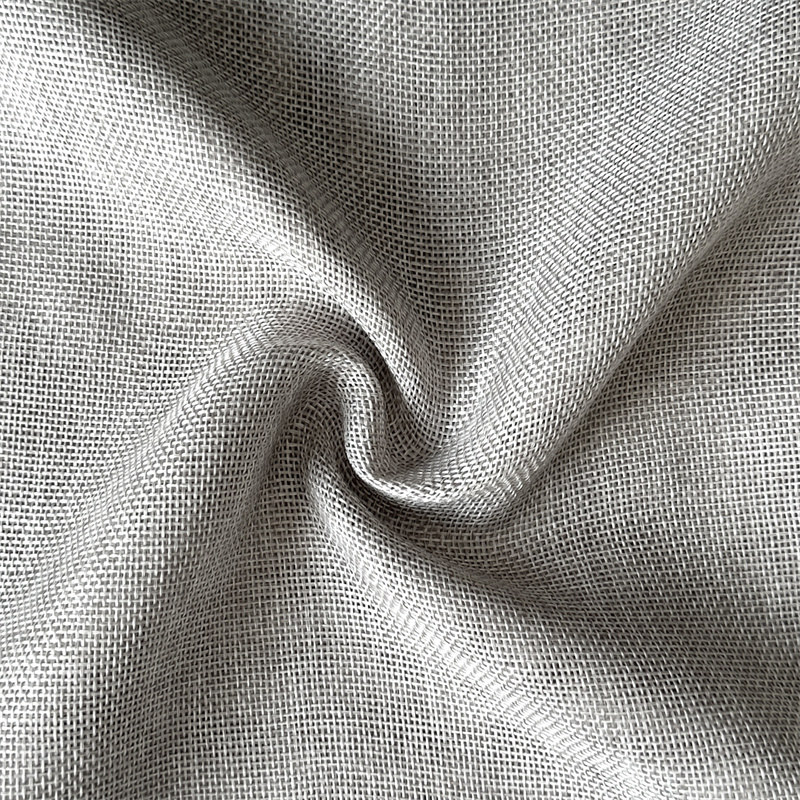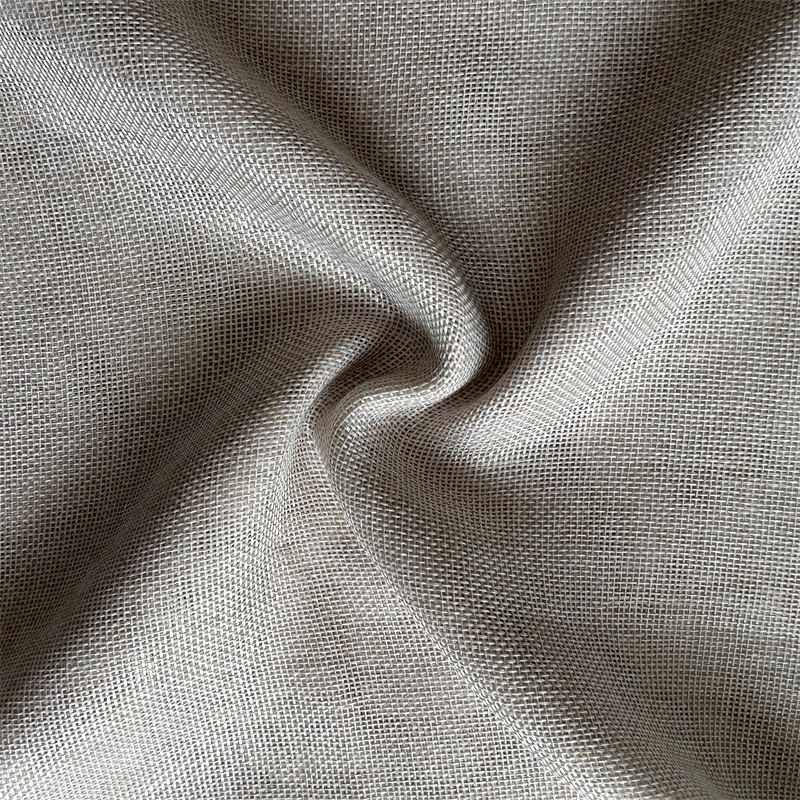


Il velluto a coste è uno dei tessuti strutturalmente più caratteristici nell'uso commerciale regolare, immediatamente riconoscibile dalle sue creste parallele, note come galles, che corrono verticalmente lungo la lunghezza del tessuto. A differenza della maggior parte dei tessuti la cui trama è visibile solo a un esame più attento, il velluto a coste annuncia la sua costruzione a distanza attraverso la sua caratteristica superficie a coste e il modo in cui cattura e riflette la luce in modo diverso a seconda dell'angolo di visione. Nonostante la sua lunga storia e la forte associazione con l’abbigliamento da lavoro e la moda accademica, il velluto a coste rimane un tessuto tecnicamente sofisticato con proprietà che lo rendono veramente utile in un’ampia gamma di applicazioni di abbigliamento, arredamento per la casa e artigianato.
La struttura che definisce il velluto a coste: cosa lo rende diverso
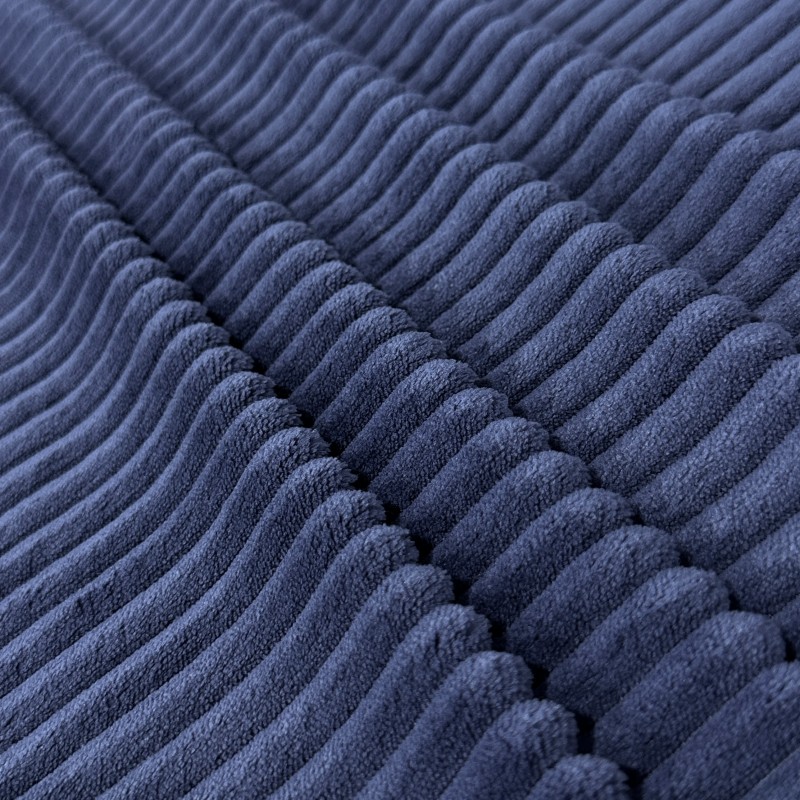
Il velluto a coste appartiene alla famiglia dei tessuti a pelo: tessuti che hanno uno strato di base e uno strato di anelli di fibra o ciuffi tagliati che sporgono sopra la superficie di base. Ciò che distingue il velluto a coste da altri tessuti a pelo come il velluto o il vellutino è l'organizzazione del pelo in colonne parallele discrete e uniformemente distanziate - le balze - separate da canali di tessitura di base. Questa disposizione strutturata del pelo conferisce al velluto a coste il suo caratteristico profilo increspato e le sue proprietà visive e tattili uniche.
La struttura a coste fa sì che il velluto a coste abbia una superficie direzionale: come tutti i tessuti a pelo, deve essere tagliato con tutti i pezzi del modello orientati nella stessa direzione, perché il pelo riflette la luce in modo diverso quando viene accarezzato in direzioni opposte. Guardando il tessuto nel senso della lunghezza, con il pelo lontano da te, il colore appare più chiaro e leggermente attenuato; visto contro il pelo, il colore appare più profondo e ricco. Questa direzionalità non è un difetto ma una proprietà ottica intrinseca della struttura del pelo tagliato, e gestirla correttamente nella costruzione dei capi è essenziale per produrre prodotti in velluto a coste dall'aspetto uniforme.
Come viene prodotto il velluto a coste: il processo di tessitura e taglio
La produzione del velluto a coste prevede un processo in due fasi più complesso rispetto alla produzione del tessuto standard. Comprendere questo processo spiega perché il velluto a coste ha le proprietà specifiche che ha e perché si comporta diversamente dai tessuti piatti nel taglio, nel cucito e nella finitura.
Fase uno: tessitura della base del mucchio
Il velluto a coste è tessuto su un telaio standard con una struttura modificata che incorpora filati di riempimento (trama) extra oltre ai filati di trama di base. Questi fili di trama aggiuntivi vengono flottati, cioè passano su più fili di ordito senza essere intrecciati, a intervalli regolari che corrispondono alla larghezza della balena prevista. I filati flottati di trama costituiscono la materia prima del pelo: formano dei ponti sciolti tra i fili di ordito che verranno successivamente tagliati per creare i ciuffi del pelo. L'intreccio della trama di base tra le sezioni flottate crea i canali tra le balestre. La densità, la lunghezza flottante e la spaziatura di questi filati di riempimento supplementari determinano il numero delle coste, l'altezza del pelo e il carattere generale del velluto a coste finito.
Fase due: tagliare il mucchio
Dopo la tessitura, il tessuto viene guidato attraverso una macchina da taglio dotata di lame circolari o elementi di taglio guidati che viaggiano lungo i canali tra i fili di trama flottati, tagliando i frattazzi al centro e rilasciando entrambe le estremità di ciascun frattazzo come ciuffi di pelo liberi. Questo processo di taglio trasforma la struttura flottante intrecciata nella caratteristica superficie in rilievo della corda. La precisione del taglio – ovvero quanto in modo netto e centrale le lame tagliano i galleggianti – determina la nitidezza e l’uniformità delle creste delle balze. Dopo il taglio, il tessuto viene spazzolato per sollevare e allineare i ciuffi del pelo, quindi bruciacchiato o ritagliato per uniformare l'altezza del pelo, e infine rifinito con lavaggi o trattamenti chimici per ammorbidire la mano e fissare il pelo.
Classificazione di Wale: come vengono definiti i tipi di velluto a coste
Il numero di galloni per pollice è la specifica principale che definisce il tipo di velluto a coste e determina l'aspetto, il drappeggio, il peso e l'idoneità all'uso finale del tessuto. Il conteggio delle coste viene misurato contando il numero di creste su un pollice di larghezza del tessuto. La gamma spazia da costruzioni a coste larghe con un minimo di 1,5 a 3 galle per pollice, a costruzioni a coste fini con da 16 a 21 o più galle per pollice.
| Tipo Wale | Galles per pollice | Peso tipico | Applicazioni comuni |
| Elefante / Jumbo Wale | 1,5 – 3 | Pesante (400 g/m²) | Tappezzeria, capispalla di tendenza, fodere per cuscini |
| Wale larga | 4 – 6 | Medio-pesante (280–380 g/m²) | Pantaloni, giacche, gonne, borse |
| Wale standard | 8 – 11 | Medio (200–280 g/m²) | Pantaloni casual, camicie, abbigliamento per bambini |
| Fine / Pin Wale | 16 – 21 | Medio-leggero (150–220 g/m²) | Camicie, pantaloni leggeri, abiti sartoriali |
Il velluto a coste standard a 8 galle è il tipo più comune e ampiamente riconosciuto a livello commerciale, utilizzato nei tradizionali pantaloni di velluto a coste e nelle giacche casual. Il velluto a coste, con le sue creste molto più fini, produce un tessuto con drappeggio e mano significativamente più raffinati che può essere adattato a capi adatti. Le costruzioni a costa larga e jumbo hanno superfici scultoree audaci più adatte ad indumenti strutturati o ad applicazioni tessili per la casa in cui la costa prominente aggiunge impatto visivo.
Proprietà fisiche di Tessuto di velluto a coste
La struttura a pelo del velluto a coste gli conferisce un insieme specifico di proprietà fisiche che lo distinguono dai tessuti piatti con contenuto di fibre e peso equivalenti. Queste proprietà influenzano direttamente le prestazioni del tessuto durante l'uso e il modo in cui dovrebbe essere maneggiato durante il taglio e la costruzione.
Calore e isolamento
La superficie rialzata del velluto a coste intrappola uno strato d'aria vicino al corpo, fornendo un isolamento significativo oltre ciò che suggerirebbe il solo peso della trama di base del tessuto. Questo è uno dei principali motivi funzionali per cui il velluto a coste si è affermato come tessuto per la stagione fredda. Le sacche d'aria all'interno delle creste delle coste creano uno spazio d'aria morto che funge da isolamento termico, rendendo il velluto a coste significativamente più caldo di un tessuto a trama semplice della stessa fibra e di peso simile. Il velluto a coste a coste larghe, con il suo pelo più profondo, fornisce un maggiore isolamento rispetto alle costruzioni a coste sottili, motivo per cui la selezione delle coste spesso segue l'applicazione stagionale prevista.
Durabilità e resistenza all'abrasione
La superficie del pelo tagliato del velluto a coste è intrinsecamente più resistente all'abrasione rispetto ai tessuti a trama piatta perché l'usura superficiale erode prima i ciuffi di pelo piuttosto che la trama strutturale di base. Ciò significa che l'abrasione dovuta ai sedili, alle borse da trasporto o al contatto meccanico ripetuto consuma gradualmente l'altezza del pelo per un lungo periodo prima che il tessuto di base venga compromesso. L'abbigliamento da lavoro tradizionale in velluto a coste di cotone si basava proprio su questo meccanismo di durabilità: l'usura assorbita dal pelo che avrebbe rapidamente danneggiato un tessuto a trama semplice nei punti di stress come ginocchia, sedile e gomiti. I moderni pantaloni e giacche in velluto a coste mantengono questo vantaggio in termini di abrasione, che contribuisce alla reputazione di longevità del tessuto rispetto alle armature semplici di peso equivalente.
Drappeggio e Corpo
Il drappeggio del velluto a coste dipende fortemente dal numero delle coste, dall'altezza del pelo e dal contenuto di fibre. Il velluto a coste di cotone a costa larga ha corpo e struttura considerevoli: mantiene bene la forma ma non cade morbidamente, rendendolo particolarmente adatto per capi strutturati con silhouette definite. Il velluto a coste fine in cotone o misto cotone cade in modo più fluido e può essere utilizzato per indumenti che richiedono un certo grado di caduta morbida. Il velluto a coste tessuto con filati misti elasticizzati che incorporano elastan o modal migliora significativamente il drappeggio mantenendo la struttura superficiale della lana, motivo per cui le costruzioni in velluto a coste elasticizzato hanno ampliato l'uso del tessuto nelle applicazioni della moda contemporanea.
Composizione della fibra: di cosa è fatto il velluto a coste
Il velluto a coste è tradizionalmente associato al cotone, ma è prodotto in una gamma di composizioni di fibre che modificano ciascuna le proprietà del tessuto in modi specifici.
- 100% cotone : La composizione classica e più diffusa del velluto a coste. Il velluto a coste di cotone offre un'eccellente traspirabilità, un buon assorbimento del colore dalla tintura reattiva e in tino, un'usura confortevole a contatto con la pelle e un semplice lavaggio a casa. È soggetto a restringimento se non viene pre-ristretto durante la finitura, e il suo pelo può opacizzarsi con l'usura e il lavaggio prolungati se non adeguatamente curato.
- Misto cotone-poliestere : L'aggiunta di poliestere ai filati della trama di base migliora la stabilità dimensionale, riduce il restringimento e aumenta la durata. La componente in pelo viene generalmente mantenuta come cotone per mantenere la caratteristica mano morbida. Il velluto a coste misto è ampiamente utilizzato negli indumenti da lavoro e nelle uniformi scolastiche, dove la resistenza al lavaggio e il mantenimento della forma sono requisiti primari.
- Velluto a coste elasticizzato in cotone ed elastan : Incorporando dal 2 al 5% di elastan nei filati della trama di base aggiunge elasticità di recupero, tipicamente nella direzione della fibra incrociata, che migliora il comfort e la vestibilità di pantaloni e giacche aderenti senza alterare l'aspetto della superficie del pelo. Il velluto a coste elasticizzato è diventato la costruzione dominante nel velluto a coste della moda contemporanea grazie alla maggiore facilità di movimento che offre.
- Velluto a coste di lana : Prodotto in volumi più piccoli per applicazioni sartoriali e di capispalla di lusso, il velluto a coste di lana offre un isolamento termico superiore, una gestione naturale dell'umidità e una superficie del pelo raffinata e leggermente brillante. Il velluto a coste di lana richiede il lavaggio a secco o un accurato lavaggio a mano e ha un prezzo significativamente superiore agli equivalenti del cotone, il che ne limita il volume commerciale ma mantiene il suo fascino nei mercati dei capispalla premium.
- Velluto a coste sintetico (poliestere/acrilico) : Il velluto a coste completamente sintetico offre elevata solidità del colore, resistenza al restringimento e costi inferiori, ma la superficie del pelo non ha il calore naturale e la traspirabilità del cotone o della lana. Il velluto a coste sintetico viene utilizzato principalmente nell'abbigliamento economico e in applicazioni in cui la resistenza alle macchie e la facilità di manutenzione sono più importanti delle prestazioni di comfort.
Dove viene utilizzato il velluto a coste: applicazioni nell'abbigliamento e oltre
La combinazione di calore, resistenza e struttura superficiale distintiva del velluto a coste lo ha affermato in un'ampia gamma di categorie di prodotti. Le sue applicazioni si sono espanse notevolmente oltre le sue origini tradizionali di abbigliamento da lavoro poiché la moda e l'interior design hanno ripetutamente reinterpretato il suo carattere visivo.
Applicazioni di abbigliamento
I pantaloni rimangono la categoria di indumenti in velluto a coste più iconica. I pantaloni standard e a gamba larga in velluto a coste di cotone sono stati un punto fermo del guardaroba sin dalla metà del XX secolo, apprezzati per la loro resistenza, calore ed estetica rilassata. Le giacche e i blazer in velluto a coste, in particolare in lana fine o standard, hanno una lunga associazione con ambienti professionali accademici e creativi. Le camicie di velluto a coste, prevalentemente in costruzioni a coste, forniscono un'alternativa strutturata al semplice popeline o al tessuto Oxford. L'abbigliamento per bambini è una categoria di applicazione significativa per il velluto a coste a livello globale, in particolare nelle costruzioni in cotone standard e steccato, perché la durevolezza del tessuto resiste all'abrasione tipica dell'abbigliamento attivo per bambini. La moda contemporanea ha periodicamente fatto rivivere il velluto a coste larghe in blazer oversize, pantaloni a vita alta e completi coordinati come deliberato riferimento estetico retrò.
Accessori e Borse
La superficie robusta e la profondità visiva del velluto a coste lo rendono una scelta pratica ed esteticamente interessante per borse, cappelli e accessori. Le borse e gli zaini in velluto a coste larghi hanno una superficie esterna durevole che resiste ai graffi e mantiene il suo aspetto anche dopo un uso regolare. I berretti e i cappelli a secchiello in velluto a coste hanno mantenuto una presenza commerciale costante nei mercati dello streetwear e della moda outdoor. La capacità del tessuto di assumere colori profondi e saturi lo rende particolarmente efficace negli accessori in cui il colore è un fattore di progettazione primario.
Tessili per la casa e tappezzeria
Il velluto a coste Jumbo e a coste larghe è ben consolidato nelle applicazioni di tappezzeria e arredamento per la casa. Il rivestimento del divano e della sedia in velluto a coste fornisce una superficie strutturata e calda che appare casual e confortevole in contesti interni residenziali. Le fodere dei cuscini, i pouf e il rivestimento della testiera in velluto a coste beneficiano della resistenza del tessuto sotto la normale pressione e abrasione della seduta. Il carattere visivo del velluto a coste larghe – le linee d’ombra pronunciate tra le creste – aggiunge interesse architettonico alla superficie dei mobili imbottiti che i tessuti da tappezzeria a tessitura piatta non possono replicare senza ulteriori processi di testurizzazione.
Taglio, cucito e cura: gestione pratica del velluto a coste
Il velluto a coste richiede pratiche di manipolazione specifiche durante il taglio, la costruzione e la cura che differiscono significativamente dai tessuti a trama piatta. Comprendere questi requisiti previene i problemi di qualità più comuni nei prodotti in velluto a coste.
- Consistenza della direzione del pisolino : Tutti i pezzi del cartamodello devono essere tagliati con il pelo che corre nella stessa direzione, in genere con il pelo che giace verso il basso verso l'orlo per gli indumenti, che produce un aspetto di colore più ricco e profondo. Mescolando le direzioni del pelo tra i pezzi si ottiene una differenza di colore visibile tra i pannelli nel capo finito, che non può essere corretta dopo la costruzione.
- Prelavaggio prima del taglio : Il velluto a coste di cotone può restringersi dal 3 all'8% nella direzione dell'ordito al primo lavaggio. Il prelavaggio e l'asciugatura del tessuto prima del taglio dei modelli elimina la maggior parte di questo restringimento, evitando che i capi finiti si restringano fuori taglia dopo il primo lavaggio.
- Tecnica di stiratura delle cuciture : Stirare le cuciture del velluto a coste direttamente con un ferro caldo schiaccerà e appiattirà il pelo in modo permanente, lasciando un segno visibile di pressatura. Le cuciture dovrebbero essere pressate su una tavola ad aghi - un letto denso di spilli metallici verticali che sostengono il pelo - o premendo con il lato del pelo rivolto verso il basso su una superficie di asciugamano, usando il vapore anziché la pressione diretta.
- Lavaggio e manutenzione pile : Il velluto a coste deve essere lavato al rovescio con un ciclo delicato per ridurre al minimo l'abrasione del pelo contro il tamburo. L'asciugatura in asciugatrice a bassa temperatura o l'asciugatura stesa è preferibile all'asciugatura ad alta temperatura, che può stressare il legame tra pelo e base. Dopo il lavaggio, spazzolare leggermente il pelo asciutto con una spazzola a setole morbide ripristina l'allineamento del pelo e rimuove l'aspetto leggermente opaco che il lavaggio può produrre.
La duratura rilevanza commerciale del velluto a coste, dalle sue origini come pratico tessuto per indumenti da lavoro nell'Europa del diciannovesimo secolo alla sua attuale presenza nei mercati della moda, dell'arredamento per la casa e degli accessori a livello globale, riflette il genuino valore funzionale ed estetico offerto dalla sua caratteristica struttura in pile. Il suo calore, la durabilità, il carattere visivo direzionale e l'adattabilità alle larghezze delle coste e ai tipi di fibre lo rendono un tessuto che soddisfa sia i requisiti prestazionali che quelli di progettazione in modi che le alternative a tessitura piatta non riescono costantemente a replicare.